Physical Address
304 North Cardinal St.
Dorchester Center, MA 02124
Physical Address
304 North Cardinal St.
Dorchester Center, MA 02124

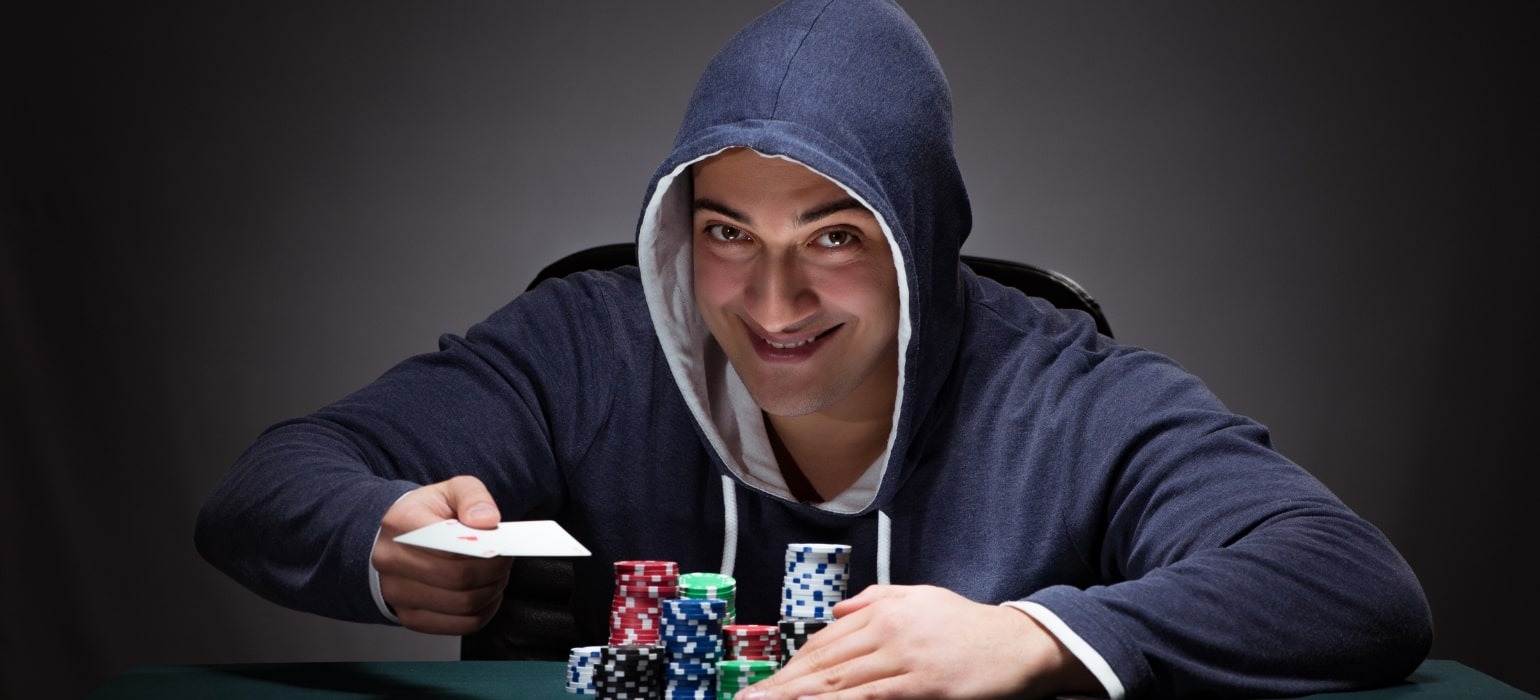
In card games like poker, psychological factors play a crucial role. Beyond strategy and calculation, players must control their emotions to avoid being “read” by opponents. That’s why the concept of a poker face has become an essential skill, not only in games but also in many real-life situations. To better understand what a poker face is, why it matters, and how to develop it, let’s explore the details below with VZ99.
A poker face refers to maintaining a neutral facial expression, regardless of whether a person is happy, nervous, or excited. In poker, this skill helps players conceal information about their hand so opponents cannot accurately guess their situation.
The term originates from the game of poker itself, where observing opponents is a key part of strategy. If a player reveals emotions through facial expressions, eye movements, or gestures, opponents can use that information to make better decisions. Therefore, keeping an unreadable face becomes a significant advantage.
Today, the concept of a poker face extends beyond gaming and is widely used in communication, work, and daily life. It reflects emotional control and the ability to stay calm under pressure.
In games like poker, Tien Len, or Mau Binh, psychological control directly affects outcomes. A strong poker face prevents opponents from gaining insight through your expressions.
When you maintain a calm and neutral face, your opponent cannot easily determine whether your hand is strong or weak. This uncertainty often leads them to make incorrect decisions. On the other hand, if you show emotions clearly, opponents can adjust their strategy accordingly.
Additionally, a poker face helps you stay focused. When you are not overwhelmed by emotions, your decisions become more logical and accurate. This is a key factor in improving performance in card games.
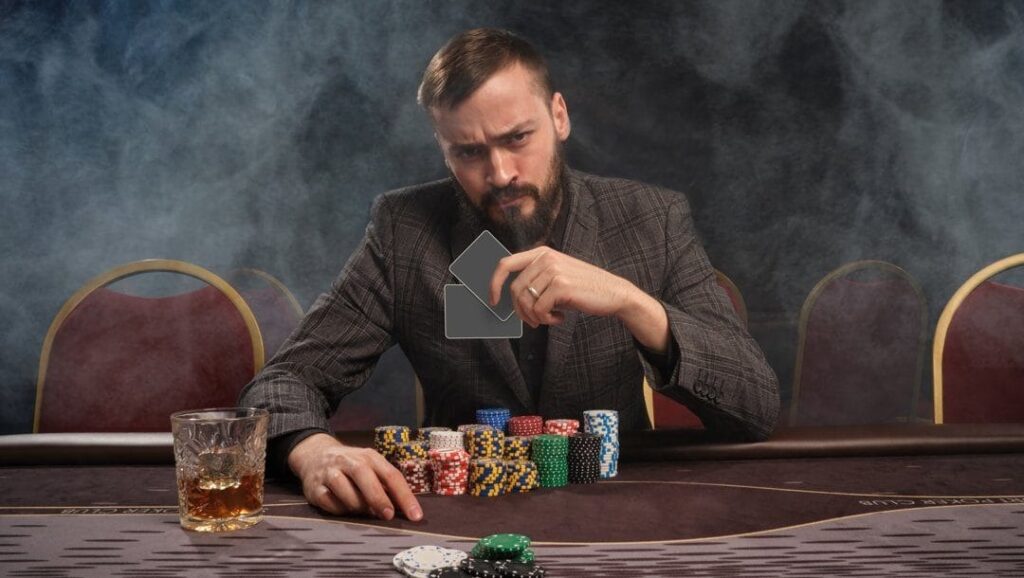
To develop a strong poker face, the first step is mastering your facial expressions. You need to keep your face neutral without revealing excitement or concern. This requires consistent practice to override natural reactions, especially in intense situations. You should also pay attention to your eyes, as they often reveal more than facial muscles. With proper control, you significantly reduce the chances of being read by opponents.
Body language is just as important as facial expression. Movements like tapping your fingers, shifting posture, or fidgeting can unintentionally reveal your emotions. You should aim to remain steady and avoid unnecessary gestures. Maintaining a consistent and natural posture creates an unpredictable presence for your opponent. This is a critical element in building a complete poker face.
In many situations, your tone of voice can expose your emotions. Speaking too quickly or changing your tone may signal nervousness or excitement. Therefore, keep your voice steady and natural when communicating. Speaking less is also an effective way to minimize risk. By controlling your voice, you maintain composure and avoid giving away valuable information.
A poker face is not only about outward appearance but also about internal stability. If you cannot control your emotions internally, maintaining a neutral expression becomes very difficult. You need to train your mindset to stay calm under pressure. This can be achieved through experience and self-discipline. Once your mental state is stable, your poker face will become more natural and effective.
Developing a poker face requires patience, as it is not a skill that can be mastered overnight. Regular practice is essential to improve emotional control over time.
You should also combine external practice with internal emotional regulation. Focusing only on facial control without addressing your mindset will limit your progress.
Avoid overusing a poker face in all situations, as it can negatively impact communication. Balance is crucial to ensure natural interaction with others.
Finally, observe others and learn from their behavior. Understanding how people express emotions will help you refine your own ability to control them.
A poker face is a valuable skill that helps you control emotions and prevent others from reading your intentions in both card games and everyday life. By practicing consistently and applying it wisely, you can improve decision-making and maintain an advantage in various situations. Ultimately, finding the right balance between emotional control and natural communication is key, especially when participating in entertainment environments like Casino VZ99.