Physical Address
304 North Cardinal St.
Dorchester Center, MA 02124
Physical Address
304 North Cardinal St.
Dorchester Center, MA 02124

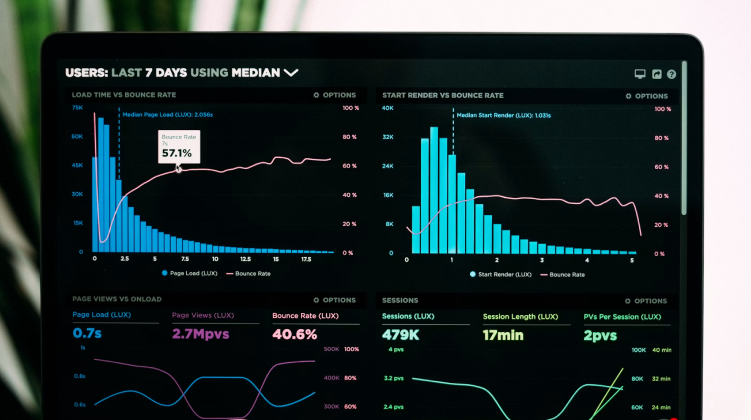
Professional football now relies on spreadsheets almost as much as on studs and grass. Motion-tracking cameras, wearable GPS pods, and cloud dashboards produce millions of data points every training week. Clubs that translate those numbers into strategy see measurable advantages on the scoreboard and in the transfer market. Internal reports cited by slimking casino online highlight a correlation between robust analytics departments and consecutive top-four finishes across Europe’s major leagues, underscoring how metrics reshape the modern game.
Traditional scouting hinged on experienced eyes spotting flair during ninety minutes. Contemporary analysis dissects every action frame by frame, assigning expected-goals probabilities, pressing efficiency scores, and spatial heat maps. Coaching decisions that once relied on post-match memory now reference objective context drawn from thousands of comparable scenarios. Bench players receive individualized drills after algorithms flag positional weaknesses, and recovery sessions adjust when workload metrics predict fatigue spikes.
Executive suites trust expected-goals data when negotiating contract extensions or loan deals. Salary offers reflect projected peak years derived from age curves aligned to position-specific decline rates. Commercial departments analyze fan-engagement heat maps, timing social content releases to coincide with global viewing habits, thereby maximizing sponsorship impressions.
Scouting budgets stretch further through algorithmic shortlists that surface undervalued talent in lesser-watched competitions. Metrics such as deep-progression passes or high-intensity sprints per 90 minutes uncover skill sets invisible in traditional box scores. Financial Fair Play compliance becomes less daunting when performance-to-salary ratios stay transparent across the squad.
Data quality varies among leagues where stadium sensor coverage remains inconsistent. Metric overload can paralyze decision-making if coaching staff receive raw numbers without clear visualizations. Intellectual property concerns arise when rival clubs attempt to poach proprietary models along with analytic personnel. Ethical debates continue regarding player-tracking consent, especially in tournaments hosted under divergent privacy regulations.
Another complexity involves converting insight into pitch behavior. A heat map alone cannot teach a winger when to invert; translation requires communication skills and buy-in from dressing rooms resistant to change. Analytical teams therefore include former professionals who bridge statistical language with locker-room credibility.
Broadcasters overlay live shot-quality gauges and real-time possession maps, deepening viewer engagement. Fantasy-league managers adjust line-ups using probability dashboards that project bonus points based on opposition profiles. Stadium apps push personalized replays, letting attendees rewind pivotal tackles from multiple angles only seconds after occurrence.
Fan-owned clubs leverage open analytics to justify board decisions, increasing transparency and trust among membership. Independent content creators produce video essays demonstrating how coaching tweaks shift expected-threat zones, elevating tactical literacy among audiences previously focused on goals alone.
Next-generation optical tracking will capture skeletal models rather than basic centroids, enabling injury-prevention algorithms that detect micro-instability before muscle tears occur. Quantum-inspired computing promises real-time opponent strategy simulations during halftime, delivering adaptive plans within the fifteen-minute window. Cross-sport collaborations with basketball and rugby analysts may spawn hybrid metrics that evaluate collective off-ball movement rather than isolated actions.
Sustainability initiatives will integrate environmental data, scheduling travel based on emission-optimized routes without sacrificing competitive readiness. Fan tokens tied to on-field analytics could gamify spectator involvement, rewarding accurate predictive insights with merchandise discounts.
Football’s romance endures, but romanticism now shares space with rigorous measurement. Clubs harness data analytics to refine tactics, safeguard athlete welfare, and stretch financial resources. Challenges around data integrity and cultural adoption remain, yet the competitive benefits prove too significant to ignore. Numbers alone never score, yet they illuminate pathways for boots to follow, ensuring that the beautiful game evolves with clarity as well as passion.