Physical Address
304 North Cardinal St.
Dorchester Center, MA 02124
Physical Address
304 North Cardinal St.
Dorchester Center, MA 02124

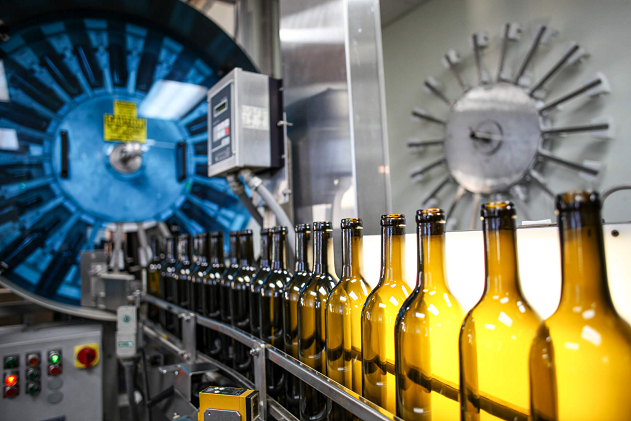
The growth of fruit wineries around the world—especially boutique orchards, berry wine producers, cider houses, and farm-to-bottle wineries—has elevated the need for production automation. As demand rises, manual bottling becomes time-consuming, labor-intensive, and inconsistent. That’s where an automatic fruit wine bottling line becomes essential.
Small wineries often believe bottling automation is only for large industrial producers. In reality, modern compact systems are specifically engineered to serve small-volume commercial wineries, providing professional packaging quality without requiring massive space or staffing.
This guide explains everything you need to know about choosing and setting up an automatic bottling line for fruit wine production, including equipment features, layout planning, cost ranges, and key considerations for smooth operation.vist:Micet Craft Brewing Equipment Manufacturers
Fruit wine production has unique challenges:
While manual filling and corking can work in early stages, scaling without automation brings clear disadvantages:
❌ Slow throughput
❌ Labor fatigue, inconsistent fills
❌ Higher dissolved oxygen (DO) pickup
❌ Potential hygiene issues
❌ Limited scalability
✅ Higher filling accuracy and consistency
✅ Faster throughput—hundreds to thousands of bottles per hour
✅ Reduced oxygen exposure
✅ Labor savings and ergonomic workflow
✅ Professional packaging quality
✅ Higher product shelf life & consumer confidence
As soon as your winery reaches 5,000–20,000 liters per year, automation becomes not just beneficial—but financially wise.
A commercial bottling line typically consists of several integrated stations, creating a smooth, continuous packaging operation.
Purpose: Remove dust, debris, and residual odors from glass bottles before filling.
Common options:
Fruit wine tip: Use sterile filtered water or inert gas for sensitive aromatics.
The heart of the system. Fillers for fruit wine must minimize oxygen and handle mild particulate loads.
Types of fillers suitable for fruit wine:
Filler Type Best Use Case Vacuum filler Clear still fruit wines, small wineries Counter-pressure filler Slightly sparkling fruit wines, ciders, spritzers Gravity filler Entry-level automation, good clarity product Isobaric filler Carbonated fruit wines & sparkling cider
Key features to look for:
Fruit wine bottling closures vary based on product style.
Closure options:
Closure Type Application Natural/synthetic cork Traditional still fruit wines Screw cap Modern wines, cider, RTD fruit wines Crown cap Petillant fruit wines, cider T-corks Dessert fruit wines & tasting room formats
Choose equipment compatible with your closure strategy and market positioning.
Adds a premium finishing look, especially for wines sold through:
Types:
Labeler Type Suitability Front/back labeler Premium branding Wrap-around labeler Efficient for cylindrical bottles Neck label applicator Added luxury touch
For small wineries, a wrap-around or dual-label applicator is the most common choice.
Ensures a smooth production flow between stations. Compact winery bottling lines often include:
Useful for traceability, regulatory compliance, and inventory management.
Inkjet coding options:
System Type Bottles per Hour Ideal Winery Size Entry semi-automatic 300 – 800 BPH New boutique winery Compact automatic 800 – 2,000 BPH Growing small wineries Advanced automatic 2,000 – 6,000+ BPH Established producers
For most small fruit wineries, 800–2,000 BPH offers the best balance.
Typical floor space needed for a compact automatic line:
Design a U-shaped or straight-line workflow depending on building layout.
System Type Price Range Semi-automatic filler + corker $8,000 – $25,000 Compact automatic filler–corker–labeler $35,000 – $120,000 High-output full bottling line $120,000 – $500,000+
Costs vary by:
Pro Tip: Prioritize filling accuracy and oxygen control over cosmetic features.
Higher volume → more automation required
Make sure equipment supports your brand’s packaging
Fruit wines = fragile aromatics → look for:
CIP-ready systems save time & protect product quality
Most small wineries do well with 800–2,000 bottles per hour, offering a balance between efficiency and affordability.
Yes—counter-pressure or isobaric filling systems are required. Standard gravity or vacuum fillers are only for still wines.
For fruit wines, yes. A nitrogen or CO₂ purge:
It’s highly recommended for commercial quality fruit wine.
Micet Engineering provides professional bottling solutions designed for the needs of small-to-mid scale fruit wine producers. Their equipment is engineered for low oxygen pickup, precision filling, compact footprint, and long-term durability.
From launch stage to growth phase, Micet delivers solutions tailored to:
Micet equipment helps small wineries achieve premium packaging quality, efficient production, and consistent flavor preservation.
📩 Need help selecting the right bottling line?
Tell me your annual volume and bottle type, and I can recommend the ideal Micet configuration for your winery.